







Search Results for: osmanthus syrup
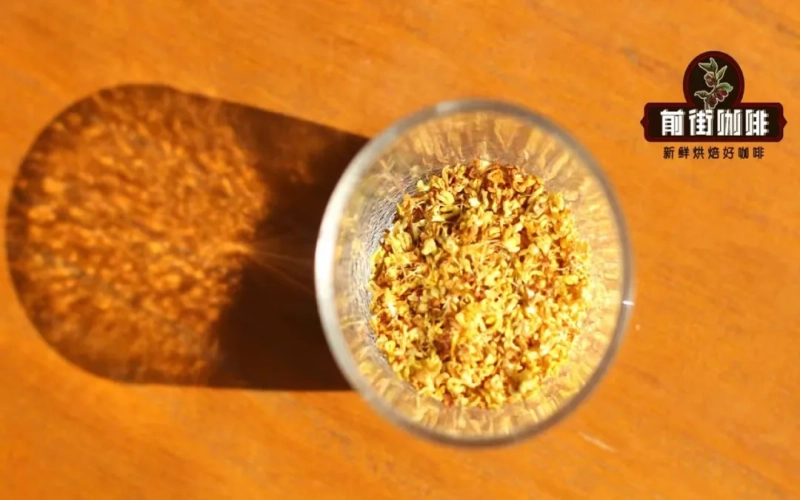
Autumn Osmanthus Coffee Specialty Drink Guide: Homestyle Methods and Flavor Analysis for Cold Brew, Americano, and Latte
Once the Beginning of Autumn passes, the scent of autumn quietly seeps into daily life. Just as summer belongs to coconut coffee, autumn has its own signature flavor—osmanthus. This time, Front Street Coffee is bringing out all its treasured osmanthus coffee recipes, including three special creations: osmanthus cold brew, osmanthus americano, and osmanthus latte. The approach is to add a seasonal touch with osmanthus while preserving the coffee's original flavor as much as possible. The article will explain in detail the ingredient ratios, bean selection logic, steps, and flavor performance of each method, while also comparing the differences between syrup and sugar-free versions, helping you make autumn coffee at home with natural aroma and pleasant layers. [more…]
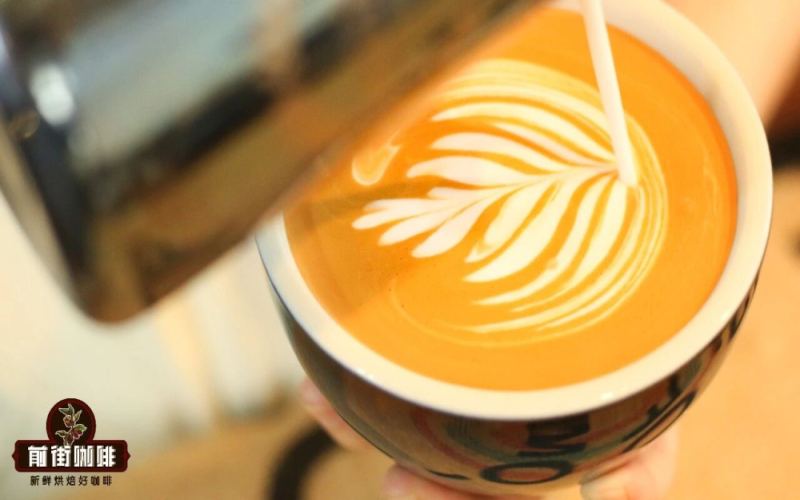
Making Osmanthus Coffee at Home in Autumn: A Detailed Guide to Three Recipes—Americano, Latte, and Caramel Crème Brûlée Latte
The autumn breeze brings refreshment, and the fragrance of osmanthus fills the air—it's once again the season best suited for incorporating osmanthus into coffee. This year, Front Street Coffee has brought a richer lineup of osmanthus coffee recipes than in previous years, including the easy-to-make osmanthus Americano and osmanthus latte, as well as the more elaborate yet stunningly layered osmanthus version of the caramel crème brûlée latte. This article will explain one by one the required ingredients, the approach to selecting coffee beans, and the detailed preparation parameters and precautions for the three beverages. It will also address common questions such as whether osmanthus can be placed directly into the coffee machine for extraction and how to prevent osmanthus from turning bitter. Whether you prefer a refreshing, sugar-free Americano or are devoted to a rich, creamy latte, you'll be able to find the cup that suits you to recreate at home. [more…]

Six Creative Ways to Combine Osmanthus and Coffee: A Complete Hands-On Guide from Espresso and Latte to Dirty and Pour-Over
Incorporating osmanthus into coffee is both a collision of flavors and a continuation of the sense of season. On the third day after reopening, Front Street Coffee was reminded of osmanthus coffee by a box of osmanthus cake, so they went ahead and paired dried osmanthus with espresso, latte, iced americano, Dirty, and pour-over one by one, tested the effects of different placement methods on extraction, and recorded the specific parameters and tasting impressions of each drink. This article covers a comparison of placing osmanthus espresso pucks on top versus at the bottom, syrup-assisted solutions for osmanthus latte and piccolo, the refreshing experience of using leftover espresso to make iced americano, cup-rim decoration techniques for osmanthus Dirty, and complete extraction suggestions for Guatemala Geisha pour-over paired with osmanthus, making it suitable as a reference for enthusiasts who want to recreate osmanthus coffee at home. [more…]
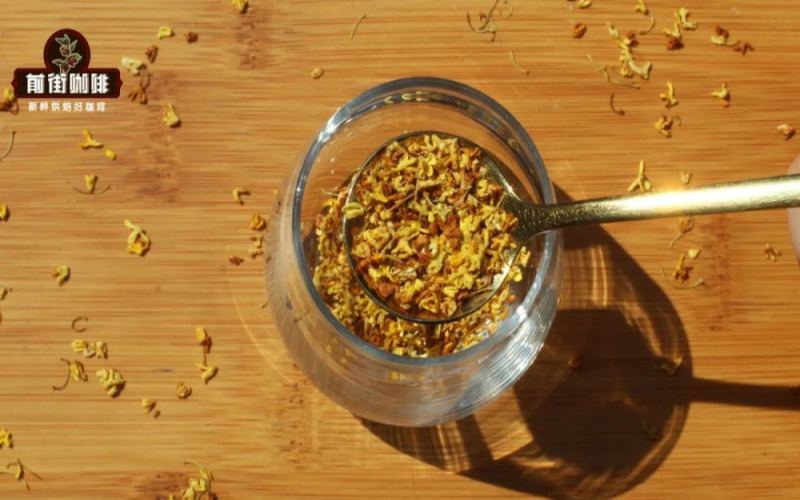
Osmanthus in Coffee: A Complete Guide to Autumn Techniques for Espresso, Latte, Flat White, Dirty, and Pour-Over
Autumn has arrived, and a cup of coffee with the fragrance of osmanthus is the perfect way to match the season. This article revolves around the combination of osmanthus and coffee. It first explains why osmanthus is suitable for coffee and the key points of processing before use, then focuses on the extraction techniques for osmanthus espresso—including why soaking is not recommended, how to avoid channeling, and the conclusions of comparative experiments placing osmanthus above and below the coffee puck. It then provides specific recipes and steps for osmanthus latte, osmanthus flat white/cappuccino, and osmanthus Dirty in turn, along with bean selection, brewing parameters, and flavor description for a cup of osmanthus pour-over. The article retains Front Street Coffee's recommendations and product information, making it suitable for coffee enthusiasts to follow step by step. [more…]

Lucky Cup's delisted ingredients were required to be poured down the drain and destroyed; unopened oat milk and syrup being wasted sparked heated discussion.
The chain coffee brand Lucky Cup recently drew attention due to the way it disposed of ingredients for discontinued products. According to multiple netizens claiming to be store employees, the company required that unopened materials such as oat milk, taro paste cans, and osmanthus syrup be uniformly poured into drains for destruction, with video and photographic evidence required, or the stores would be penalized. After images of large quantities of intact ingredients being directly discharged spread, many industry peers confirmed that this did happen, while netizens launched discussions around food waste, environmental pollution, and compliance. The brand has now removed the related products from its ordering mini-program, but whether the destruction method is reasonable still merits further consideration. [more…]

What is the principle behind milk-washed coffee? How to make a clarified latte with milk and espresso, plus the method and recipe ratios
When most people think of a combination of milk and espresso, the first things that come to mind are classic milk coffees with milk foam, such as lattes and cappuccinos. But the same ingredients, processed with a different method, can take on a completely different appearance and texture. This article introduces a technique called "milk washing"—using the principle that casein coagulates when milk meets acid to remove the fat and protein particles from milk, leaving behind a transparent whey liquid. This time, Front Street Coffee's approach differs from the usual one: during the clarification process, espresso is added directly, so that the entire drink is clarified together, resulting in a "special latte" that looks similar to pour-over coffee but has rich, layered flavors. The article will explain in detail the required materials, recipe ratios, and step-by-step instructions, making it a useful reference for enthusiasts who want to try making specialty coffee at home. [more…]

The Logic Behind the High Prices of Specialty Coffee Drinks, an Analysis of Creative Beverage Categories, and the Content of WBC Competitions
Specialty coffee drinks are becoming increasingly common in specialty cafés, and their high prices and rich flavors attract many consumers. Yet many people, after drinking them, can't taste the coffee at all and even call them "sweet water," which raises the question: why are these specialty drinks so expensive? This article starts from the definition of a specialty drink, sorts out its two main types originating from the WBC creative beverage, analyzes the reasons for the high price, discusses whether a specialty drink is worth it, and shares how to choose Front Street Coffee beans and extraction methods based on flavor pairings when recreating it at home. [more…]
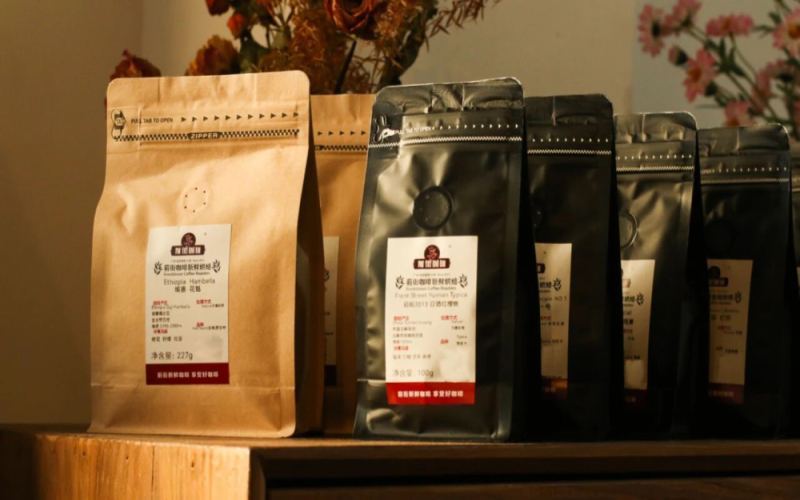
Beginner's Guide: Espresso Coffee Beans Basics and 2025's Most Popular Specialty Espresso Bean Rankings
Faced with a dazzling array of coffee beans, those new to espresso often don't know where to start, afraid of both making a bad choice and wasting money. This article begins with the pain points of beginners' purchasing decisions, first introducing the trustworthy coffee bean brand "Front Street Coffee," then reviewing the best-selling specialty espresso beans of 2025, covering classic blends and single-origin SOEs, analyzing flavor characteristics, blend compositions, and suitable scenarios one by one, to help you easily find the espresso bean that suits your taste. [more…]
Coffee Aroma Description Guide: An Analysis of 36 Common Aroma Names and Professional Tasting Terminology
When drinking coffee, have you ever encountered a familiar yet indescribable aroma? In fact, perceiving coffee flavors requires systematic cognitive training. In daily cupping and roasting adjustments, Front Street Coffee places particular emphasis on the ability to identify coffee flavors. This article starts with coffee's four major tastes—sour, sweet, bitter, and salty—and, combined with the classification logic of the flavor wheel, breaks down in detail 36 common aroma names across floral, fruity, green/vegetal/herbal, nutty/cocoa, sweet, spicy, sour/fermented, alcoholic fermentation, roasted, and other categories, along with specific representative coffee beans and Front Street's tasting suggestions, to help you more accurately describe and enjoy a cup of coffee's layers and lingering finish. [more…]
Beginner's Guide to Espresso and Front Street's Annual Ranking of Best-Selling Specialty Espresso Beans
For coffee beginners just starting out, facing a dazzling array of coffee beans often leaves them at a loss, spending a lot of money only to end up with beans that don't suit their taste. Therefore, choosing a trustworthy brand is especially crucial. As a long-established roasting brand, Front Street Coffee has become a common recommendation among many baristas and enthusiasts thanks to its fresh roasting, consistent quality, and high cost-effectiveness. This article will introduce the basics of espresso and review Front Street's five best-selling specialty espresso coffee beans of the year, covering classic blends and single-origin SOEs, to help you find the cup that's right for you. [more…]

How to Make Coffee Sweeter? Four Front Street Coffee Recommendations with Prominent Sweetness and a Brewing Tips Guide
Many people pursue sweetness in coffee because sweetness promotes dopamine secretion and brings a pleasurable experience. But sweetness in coffee does not exist independently; it is presented through the balance between acidity and bitterness: the sweetness of light-roasted beans is hidden in the sweet-and-sour fruit profile of high acidity and low bitterness, while the sweetness of dark-roasted beans is integrated into the caramel and maple syrup flavors of low acidity and high bitterness. This article first recommends four Front Street Coffee beans with strong sweetness—Panama Boquete Geisha, Mozart, Queen's Estate, and Golden Mandheling—and then provides sweetness-brewing approaches for medium-light roasts and medium-dark roasts respectively: light-roasted beans can release mid-palate sweetness by increasing water temperature, sieving out coarse grounds, and adjusting the pouring technique; dark-roasted beans use a high-strength, low-extraction strategy, paired with a slow-flow dripper and gentle pouring, to reduce the release of bitterness. Whether you are a beginner or an advanced player, you can find actionable sweetness-brewing solutions here. [more…]
A Comprehensive Guide to the New SCAA Coffee Flavor Wheel: From Sour, Bitter, Sweet, and Salty to 85 Flavor Layers
The update to the coffee flavor wheel has made the tasting system more complete, but many people still feel confused when faced with descriptions like citrus, berries, and nuts. In daily brewing, Front Street Coffee recommends beans from different regions based on guests' taste preferences, while accurately identifying flavors requires systematic training. This article starts with the four major taste spectrums—sour, sweet, bitter, and salty—and, combined with the complete classification of the new flavor wheel, interprets one by one the specific expressions of floral, fruity, herbal, nutty and cacao, sweet, spice, sour and fermented, alcoholic fermentation, roasted, and other categories, helping coffee enthusiasts build a clear framework for flavor perception. [more…]
SCAA Pour-Over Specialty Coffee Flavor Wheel High-Resolution Download and Systematic Knowledge of Flavor Terminology
The coffee flavor wheel is a recognized tasting tool in the specialty coffee community, but when faced with descriptors like citrus, berries, nuts, and chocolate, many people don't know how to match them. Starting from the high-resolution image of the latest SCAA flavor wheel, this article systematically sorts out the compositional logic of coffee flavor: the relationship between the four basic tastes of sour, sweet, bitter, and salty and the roast level, the proportion data of each taste substance, the subdivision of the acidity spectrum, bitterness spectrum, sweetness spectrum, and saltiness spectrum, as well as an item-by-item analysis of the nine major flavor groups including floral and fruity, green and herbal, nutty and cocoa, sweet, spicy, sour and fermented, alcoholic fermented, roasted, and other. The article also intersperses Front Street Coffee's daily training methods and representative bean recommendations, helping readers build a complete tasting framework from smelling to drinking. [more…]
A Detailed Guide to Single-Origin Coffee Classification: A Comprehensive Analysis of Flavor Characteristics Across Major Producing Regions from Africa to the Americas and Differences in Coffee Shop Flavors
Have you ever walked into a specialty coffee shop, faced the dazzling array of single-origin coffees on the menu, and felt at a loss where to begin? Single-origin coffee refers to coffee made from beans sourced from a single origin, and it can be traced back to a specific region or even estate. This article will systematically sort through the representative single-origin coffees from major producing regions such as Africa, Central and South America, and Asia, introduce Front Street Coffee's rigorous process from roasting curve testing to cupping selection, and present the flavor descriptions of coffee beans from each region one by one, helping you find the cup that best suits your taste. [more…]

A Coffee Newbie-Friendly List of Single-Origin Beans for Pour-Over | What Key Points in Pour-Over Can Enhance Coffee Sweetness? Which Beans with Strong Sweetness Are Recommended?
Why are we so obsessed with brewing coffee to be sweet? Probably because sweetness can trigger dopamine release, making us feel pleasure! If you want to brew coffee sweet, you first need to understand coffee's sweetness. Coffee's sweetness does not exist independently; it stands out through the balance between acidity and bitterness. For example, light-roasted coffee [more…]
A Comprehensive Analysis of the Evolution of the SCAA Coffee Flavor Wheel: From the Authoritative Version to Localized and Consumer-Friendly Simplified Versions
The Coffee Flavor Wheel is an important tool in specialty coffee learning. From the first version published by the SCAA in 1995, to the updated version in 2016, to localized adaptations in Taiwan, Indonesia, and elsewhere, as well as simplified versions aimed at consumers, the flavor wheel has continually evolved. This article reviews the characteristics and limitations of each version, explores how to use the flavor wheel to taste and describe coffee more accurately, and examines how cultural differences influence flavor perception. [more…]

Origins of the Coffee Flavor Wheel | What's the difference between the old and new coffee flavor wheels? What are the limitations of the SCAA Coffee Flavor Wheel? How do you use the flavor wheel to taste and describe coffee?
On the journey of learning about specialty coffee, I believe everyone is especially impressed by a colorful ring. It is the SCAA 2016 Coffee Flavor Wheel that has tormented you countless times. Of course, this is already a "simplified" version; the first edition of the flavor wheel in 1995 had two, one on the front. [more…]
Does specialty mixed coffee really count as coffee? One article clarifies the essential differences between specialty mixed coffee and pour-over coffee.
In recent years, specialty coffee drinks have become a hot topic in the coffee world, but how exactly should they be defined? Compared with pour-over specialty coffee, which emphasizes flavor, specialty coffee drinks place more emphasis on the maker's creativity and personal interpretation, using coffee as the base and blending in diverse ingredients such as alcohol, fruit, floral tea, and sparkling water to create unexpected flavors. The barrier to entry is low and the audience is broad, yet it has also sparked controversy because "the coffee flavor is weakened" — can a specialty drink with no coffee taste still be called coffee? This article will begin from Front Street's perspective and sort out the conceptual origins of specialty coffee drinks, their differences from pour-over coffee, and why they have become a showcase of imagination in today's coffee shops. [more…]

2022 Front Street Coffee Specialty Roasted Bean Price List: A Bean-Hunting and Roasting Journey from Ethiopia to Yunnan
Front Street Coffee (FrontStreet Coffee) cups hundreds of sample lots every year, and in the end only around fifty make it onto the menu—a testament to how rigorous its selection standards are. The 2022 new-crop menu covers origins including Ethiopia, Kenya, Papua New Guinea, Indonesia, Jamaica, Hawaii, Panama, Costa Rica, Colombia, Brazil, Honduras, and Yunnan, China. Processing methods range widely, from washed and natural to wet-hulled and barrel-fermented. This article provides a complete rundown of each coffee's origin background, variety information, processing method, flavor description, and price, making it easy for coffee lovers to choose what they need. [more…]

Interpreting the Ten Major Categories of the Coffee Flavor Wheel: A Tasting Guide and Descriptive Methods from Fruit to Floral
When drinking coffee, have you ever felt that the taste is familiar yet hard to put into words? The coffee flavor wheel is exactly the tool that helps us transform vague perceptions into precise descriptions. This article systematically analyzes the ten major categories in the Coffee Taster's Flavor Wheel developed by SCAA and created by Counter Culture Coffee, covering fruity, chocolate, sweet, nutty, grain, roasted, spice, aroma, vegetal, and floral. It also combines examples from several Front Street Coffee beans to explain how different producing regions and roast levels shape flavor expression. At the same time, it shares tasting methods and brewing suggestions to take you from hot to cold, from acidity to sweetness, and gradually build your own coffee taste memory. [more…]